

What Happens During a Suspension System Inspection
Your vehicle’s suspension system does more than just absorb bumps on the road—it plays a critical role in maintaining control, stability, and safety while driving. Over time, components such as shocks, struts, control arms, and bushings wear down due to regular use and exposure to rough road conditions. When these parts begin to fail, the effects can be felt immediately. The car might start pulling to one side, dips may become more pronounced when braking, or there could be unusual noises coming from the wheels during turns. These aren’t just minor inconveniences—they’re signs that your vehicle is no longer performing at its best and could potentially become a hazard. A routine suspension system inspection helps identify these issues before they escalate into serious problems, making it a vital part of any preventative maintenance plan.
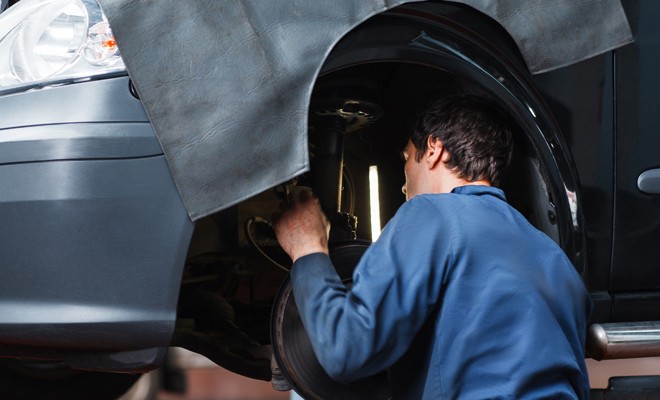
When you bring your car in for a suspension system inspection, technicians will examine all major suspension components for signs of damage, wear, or misalignment. This includes checking for leaks in the shocks or struts, inspecting the condition of the springs, and assessing the integrity of all connecting joints and bushings. They’ll also evaluate tire wear patterns, which can indicate alignment issues often tied to suspension problems. These visual and physical checks are complemented by a test drive to observe how the vehicle behaves in motion. A suspension system that’s in good shape will provide a smooth, controlled ride, while one that’s compromised might feel loose, bouncy, or overly stiff. By addressing problems early through inspection, drivers can avoid more costly repairs down the line and maintain the performance and safety their vehicle was designed to deliver. Regular checks of the suspension system not only extend the life of the car but also ensure every ride is as smooth and secure as the first.
…